Remember 2016? It feels like just yesterday, doesn’t it? That year was a wild ride, full of moments that really stuck with us. Now, it feels like we’re seeing a lot of that same energy, those same vibes, popping up again. People are talking about ‘2026 is the new 2016,’ and it’s not just random chatter. There’s a whole lot of social media nostalgia going on, making us look back at that time. Let’s figure out why.
Table of Contents
Key Takeaways
- The early 2010s, especially around 2016, marked a huge shift with smartphones and social media becoming the main way we connected and got information.
- Fashion trends from that era, like specific styles and even political statements in clothing, are making a comeback, showing a cycle of influence.
- YouTube’s ‘golden age’ created many viral stars and trends that still influence online culture today, with people looking back fondly on that content.
- Major tech changes, like mobile internet taking over and global internet access expanding, shaped how we interacted online and fueled cultural movements.
- The music and entertainment scene of the 2010s, from EDM to animated shows, is being revisited, contributing to the feeling that ‘2026 is the new 2016’.
The Echoes of a Defining Decade: Why 2016 Resonates Today
It feels like just yesterday, but looking back, 2016 really was a turning point, wasn’t it? So much of what we see online now, the way we talk about things, even the stuff we wear, has roots in that year. It was a time when things felt like they were really picking up speed, especially with our phones becoming glued to our hands.
The Rise of Mobile and Social Media Dominance
Remember when everyone suddenly had a smartphone? It felt like overnight. Suddenly, apps like Instagram and Snapchat weren’t just for a few techy people; they were everywhere. This shift meant that social media wasn’t just something you checked on your computer anymore; it was a constant companion. This mobile-first world changed how we shared our lives, creating a more immediate and visual online experience. We were all becoming content creators, whether we realized it or not. It was the start of everything being documented and shared in real-time.
Cultural Touchstones That Shaped Online Discourse
2016 was a year packed with moments that exploded online. Think about the memes, the viral challenges, and the big news stories that had everyone talking, arguing, and sharing their opinions. It was the year of Pokémon Go, the Rio Olympics, and a certain US presidential election that dominated headlines for months. These events weren’t just happening; they were being dissected, debated, and reinterpreted across social platforms. It felt like the internet was really starting to shape the conversation, not just reflect it.
The Seeds of Digital Nostalgia Planted
It might sound strange to feel nostalgic for something so recent, but 2016 was a time before some of the more complex issues we face online today really took hold. There was a certain rawness, a feeling of newness to the way we were all interacting. The trends that emerged then – the fashion, the music, the online personalities – are now being looked back on with a fondness that fuels this ‘new 2016’ feeling. It’s like we’re looking for a simpler, more direct way of connecting that we experienced back then.
Fashion Trends and Digital Identity: A Look Back
Remember when your phone was just a phone? The 2010s were a wild ride for how we presented ourselves, both online and off. It was a time when fashion started to get a lot more personal, and our digital lives really began to shape what we wore. The rise of smartphones meant our accessories weren’t just about looks anymore; they were extensions of our tech. Think about it: colorful phone cases, those selfie sticks that briefly took over the world, and the ever-present Beats headphones. These weren’t just gadgets; they were statements.
From Hipster to E-Kids: Evolving Styles
The early 2010s had this whole hipster vibe going on – think thrift store finds, beanies, and a general appreciation for artisanal coffee. It was a bit of a throwback, mixing vintage with modern. Then came athleisure, where gym clothes became everyday wear. It was comfy, sure, but also a whole new way to define casual. Towards the end of the decade, things got even more interesting with the emergence of “e-kids.” They took inspiration from everywhere – Japanese street style, skater looks, even anime – creating a vibrant, often colorful digital-native aesthetic that felt totally fresh.
Political Statements in Apparel
Fashion started getting political in a big way around 2016. Suddenly, what you wore could be a direct message. We saw iconic items like the MAGA hat and the Pussyhat become symbols, sparking conversations and, let’s be honest, a lot of debate. It showed how clothing could become a powerful tool for expressing beliefs in the public sphere, especially as online discourse heated up.
Collectible Fads and Their Online Presence
And who could forget the fads? The 2010s were packed with them. Remember Silly Bandz? Those colorful rubber bands shaped like animals that we all traded at school? Or the fidget spinner craze that seemed to appear out of nowhere in 2017? Even Funko Pops, those little collectible figures, became a huge thing. These weren’t just toys; they were part of our online identity, shared and discussed on social media, creating a sense of collective experience around fleeting trends.
YouTube’s Golden Age and the Birth of Viral Culture
Remember when YouTube felt like this wild, untamed frontier of creativity? The 2010s, especially around 2016, really felt like a peak time for the platform. It was where internet culture was born and bred, churning out memes, trends, and personalities that shaped how we all communicated online. This era cemented YouTube’s status not just as a video-sharing site, but as a cultural powerhouse.
Iconic YouTubers and Their Enduring Content
Back then, you had these creators who felt like your digital friends. Channels like Smosh, with their goofy sketches, or PewDiePie, who made gaming commentary a whole genre, were massive. Even Fred Figglehorn, with his high-pitched voice, was everywhere. These early stars weren’t just making videos; they were building communities. It was a time when a single video could explode and make someone an instant internet celebrity. We saw films even get made based on these popular YouTubers, like Smosh: The Movie in 2015. It was a different kind of fame, built on personality and consistent uploads.
The Spectacle of YouTube Rewind
Every year, YouTube tried to capture the year’s biggest moments with its ‘YouTube Rewind’ videos. It was supposed to be a celebration of the platform’s creators and trends. However, by 2018 and 2019, these videos became infamous for all the wrong reasons, racking up millions of dislikes. It felt like YouTube was out of touch with its own community, missing the mark on what actually mattered to viewers and creators. This backlash showed how much the audience had grown and how invested they were in the platform’s identity. After the criticism, the series was eventually discontinued, leaving a void that many creators tried to fill with their own versions.
Children’s Content and Early Viral Trends
It wasn’t just comedy and gaming, though. The children’s content section also blew up. Think toy unboxings and kids going on imaginary adventures – channels like Ryan’s World became huge. These videos were simple, often kid-made, and incredibly popular. We also saw early viral trends that were pure internet magic, like the ‘Double Rainbow’ video or the quirky ‘Marcel the Shell with Shoes On’. These moments, often short-lived but incredibly memorable, showed the raw, unpredictable nature of what could capture the public’s attention online. It was a time before polished, corporate-backed kids’ channels dominated, and there was a certain charm to that early, DIY feel. The early 2010s also saw the rise of memes like Nyan Cat and Trollface, which became a core part of online language and humor, influencing everything from forum discussions to everyday slang. This period is often looked back on with a certain fondness, a simpler time before the internet became quite so complex, and some even see it as a precursor to the current wave of digital nostalgia, a shift away from Y2K memories towards the early 2010s [c515].
The sheer volume of content and the speed at which trends emerged and faded was dizzying. It felt like a new internet phenomenon was born every week, from bottle flipping challenges to the rise of specific gaming communities. This rapid evolution created a unique digital landscape that many look back on fondly.
Technological Shifts and Their Social Impact
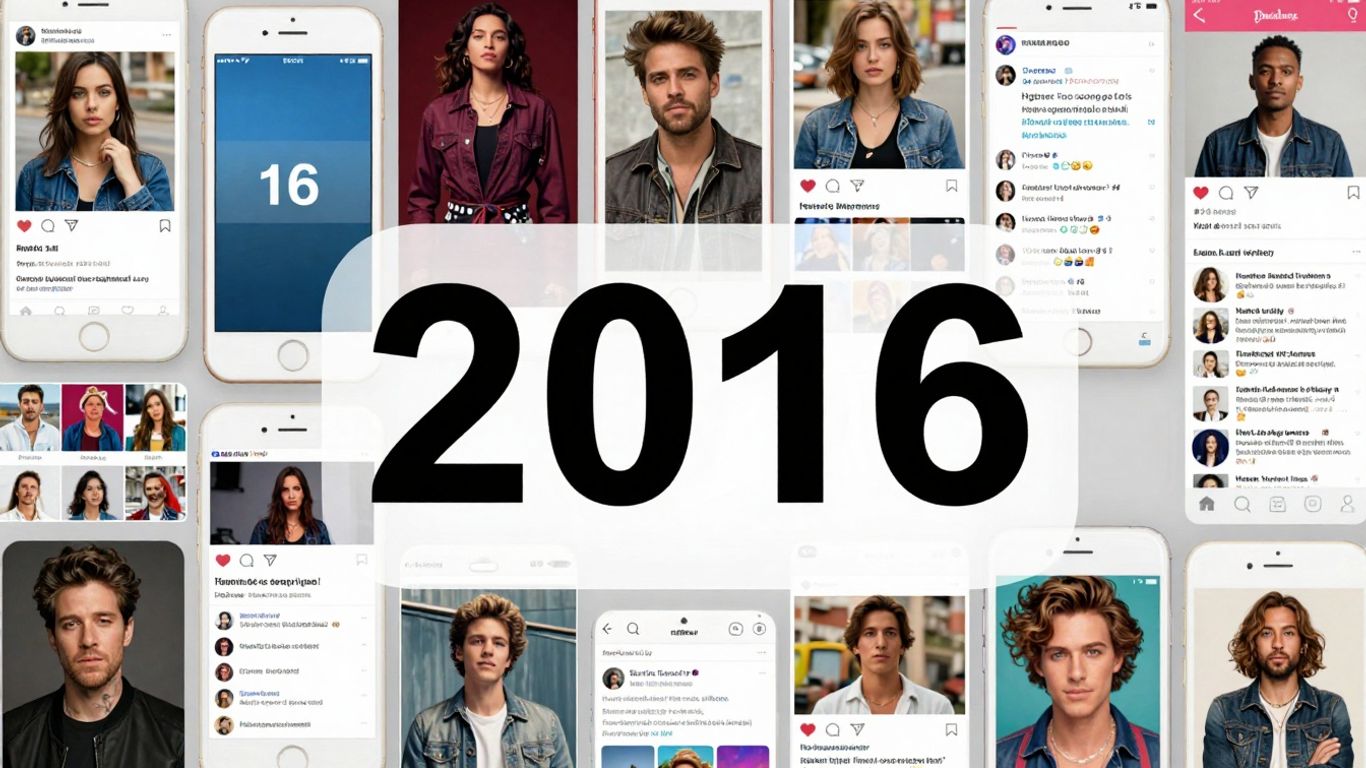
Remember when we all thought flip phones were the future? Yeah, me neither. The 2010s were wild for tech, and it really changed how we lived, talked, and even thought. The biggest shift? Smartphones basically took over everything. Suddenly, the internet wasn’t just something you accessed at a desk; it was in your pocket, all the time.
Think about it. By 2016, more people worldwide were using their phones to get online than computers. That’s a huge deal. It meant apps, social media, and constant connection became the norm. This wasn’t just about convenience; it changed how information spread. News, trends, and even activism could go viral in hours, not days.
Smartphones Overtake Desktop Computing
This was the big one. We went from typing on keyboards to tapping on glass screens. It wasn’t just a preference; it was a massive global trend. Devices running on Android and Apple’s iOS became super common. Suddenly, everyone had a mini-computer in their hand.
The Expansion of Internet Access Globally
More people getting online meant more voices being heard. Internet coverage jumped significantly, connecting places that were pretty isolated before. This opened up a whole new world for communication and information sharing, though it also brought new challenges.
Social Media’s Role in Activism and Culture Wars
With everyone online, social media platforms became major hubs. They weren’t just for sharing vacation photos anymore. Movements like #MeToo gained massive traction, and online discussions often spilled into real-world debates. It was a double-edged sword: great for organizing, but also a place where arguments could get pretty heated, sometimes called ‘culture wars’.
The rapid spread of information, both good and bad, became a defining characteristic of this era. What used to take weeks to disseminate could now reach millions overnight, shaping public opinion and driving social change at an unprecedented pace.
Here’s a quick look at how internet usage changed:
- 2010: Mobile internet usage was still growing, but desktops were dominant.
- 2014: In the US, mobile internet use officially passed desktop use.
- 2016: Globally, mobile devices became the primary way people accessed the internet.
It’s wild to think how quickly that happened. It really set the stage for where we are today, constantly connected and sharing our lives online.
Music and Entertainment: The Soundtrack of the 2010s
Man, the 2010s were a wild ride for music and entertainment, weren’t they? It feels like just yesterday we were all hooked on the same few things, but then streaming services really took off, and suddenly, there was everything. It was a time when genres started blending and new sounds popped up everywhere.
The Ascendancy of EDM and Indie Artists
Electronic Dance Music, or EDM, had its moment in the sun. Think massive festivals, DJs becoming superstars, and beats that made everyone want to move. Artists like Skrillex and Avicii were everywhere. But it wasn’t just about the big drops; indie music also found a huge audience online. Bands like Foster the People and Tame Impala put out stuff that felt fresh and different, and people really connected with it. It was cool to see smaller artists get so much attention.
Nostalgic Genres and New Sounds
It’s funny how trends cycle. While EDM was huge, we also saw a comeback for synthwave, which totally leaned into that 80s vibe. And then there was vaporwave and lo-fi hip-hop, which felt super chill and became the background music for a lot of late-night study sessions or just hanging out. It’s like we were looking back to older sounds but giving them a new spin. This period really showed how much people wanted variety, and streaming services like Spotify made it easy to find exactly what they wanted.
Animated Series and Their Cultural Footprint
Beyond music, the TV landscape changed too. We got hooked on animated shows that were way more than just kids’ stuff. Shows like Adventure Time, Regular Show, and later Rick and Morty had layers that adults could appreciate, with smart writing and unique styles. They became a big part of online conversations and meme culture. It felt like animation was really hitting its stride, offering something for everyone.
It’s interesting to think about how much entertainment was tied to specific moments or feelings from that decade. The music we listened to, the shows we binged – they all kind of defined that era for us.
The 2010s were a time when digital platforms really changed how we found and consumed music and entertainment. It was a mix of massive global trends and niche interests finding their audience, all thanks to the internet and streaming.
The Political Landscape and Its Digital Reflection
Man, the 2010s were a wild ride politically, weren’t they? It feels like just yesterday we were seeing major shifts happening all over the globe, and a lot of that drama played out online. The post-World War II order, the one built on countries working together and global trade, really started to look shaky. We saw nationalist movements pop up everywhere, and people seemed to be pushing back against globalization. It wasn’t just one or two places; it was a whole vibe spreading across continents.
A Decade of Global Political Upheaval
Looking back, the 2010s were marked by a lot of political instability. Think about it: major elections, protests, and big policy changes seemed to be happening constantly. It felt like the ground was shifting under our feet, and social media was often right there, amplifying every argument and every movement. It was a time when established political parties started losing their grip, and new voices, sometimes loud and controversial ones, began to emerge. This wasn’t just a Western thing either; countries in Asia and Latin America were also experiencing their own unique brand of political turbulence.
The Unraveling of the Post-War Order
It’s hard to ignore how much the global political scene changed. The old ways of doing things, the international agreements and institutions that had been around for decades, started to feel less relevant. Leaders who promised to put their own countries first gained traction, and there was a general feeling of distrust towards established political systems and media. This created a fertile ground for new political ideas, some of which were quite radical, to take hold and spread rapidly, often through online channels.
Populism’s Digital Echoes
Populism really took center stage in the latter half of the decade. Politicians and movements that spoke directly to people’s frustrations, often bypassing traditional media, saw huge success. This wasn’t limited to one side of the political spectrum; you saw it on the left and the right. Online platforms became the go-to place for these movements to organize, share their messages, and rally supporters. It was a powerful demonstration of how digital spaces could be used to mobilize large groups of people around shared grievances and a desire for change.
Here’s a quick look at some of the movements and trends that defined the era:
- Rise of Nationalist Sentiment: A strong focus on national interests and identity.
- Anti-Establishment Politics: Growing distrust in traditional political parties and institutions.
- Identity Politics: Increased focus on group identity as a basis for political action.
- Global Protests: Movements like Black Lives Matter and Occupy Wall Street gained significant traction.
The way information spread online during this period meant that political ideas, whether they were about economics, social issues, or national identity, could reach millions almost instantly. This speed and reach changed how political discourse happened, making it more immediate and often more polarized. It was a period where the digital world and the real world of politics became deeply intertwined, shaping events in ways we’re still processing today.
So, What’s the Big Deal About 2026 Being the New 2016?
It really boils down to this: we’re seeing a lot of the same vibes and trends popping up again that felt super familiar back in 2016. Think about it – the way we talk online, the stuff we find funny, even the fashion choices that are making a comeback. It’s like we’re all collectively hitting the rewind button on digital culture. This isn’t just about missing the ‘good old days’; it’s about how past internet moments and trends keep resurfacing, shaping what’s popular right now. So next time you see something that feels oddly familiar, remember that the internet is a weird, cyclical place, and 2016 is apparently still very much in vogue.
Frequently Asked Questions
Why are people talking about 2016 again in 2026?
It’s like looking back at old photos! People are feeling a bit nostalgic for the year 2016 because so much happened then that still feels important today. Think of it as a time when things we use and see now were just starting or becoming really big. It was a turning point for social media, technology, and even how we talked about big world issues.
What made 2016 so special for social media?
Back in 2016, social media was really taking over. Everyone was glued to their phones, and platforms like Instagram and Twitter were huge. It was also a time when online trends and viral moments exploded, shaping what we saw and talked about online every single day. It felt like the internet was changing really fast.
Were there any cool fashion trends back then?
Totally! 2016 was part of a time when fashion was changing a lot. We saw the rise of ‘hipster’ styles, comfy ‘athleisure’ wear, and even clothes that made political statements. Plus, things like fidget spinners and collectible toys were super popular for a while, and you’d see them everywhere online.
What was happening on YouTube around 2016?
YouTube was like the main stage for online stars back then! Many YouTubers who are still famous today got their start or were at their peak. It was also the era of ‘YouTube Rewind,’ where they tried to sum up the year’s biggest moments, though it sometimes got a lot of criticism. Kids’ content on YouTube was also huge, with lots of toy unboxing videos.
How did technology change around 2016?
Smartphones were becoming way more common than computers for going online. More people all over the world could get internet access. This tech boom also meant social media played a bigger role in how people talked about important issues and even organized protests or movements.
What kind of music and entertainment was popular?
The 2010s, including 2016, had a big mix of music. Electronic Dance Music (EDM) and indie artists were really popular. Plus, animated shows were a big deal, with cartoons like ‘Adventure Time’ and ‘Gravity Falls’ becoming favorites. It was a time when old music styles were brought back and new sounds were popping up.
Read Recent Contents by Current Global News
Why Nepal Should Be on Your Bucket List for Tours and Treks in 2026
Nepal’s National Assembly Passes Landmark Tourism Bill with Toughest-Ever Everest Rules