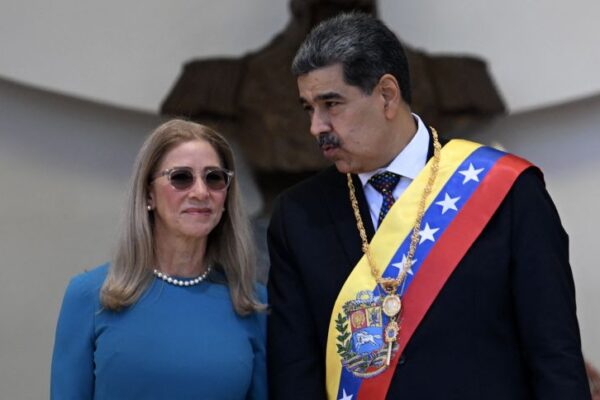
The arrest of Venezuela’s president has sent shockwaves across Latin America, a region with a long and complicated history of foreign intervention, ideological division, and political instability. For many governments in the region, this event is not just about one leader it represents a turning point that could redefine power dynamics, diplomacy, and regional solidarity for years to come.
Latin America has traditionally been sensitive to actions taken by external powers, particularly the United States. Memories of Cold War era interventions, coups, and regime-change operations remain fresh in political discourse. As a result, the arrest has been widely viewed through the lens of sovereignty and independence rather than purely legal accountability. Several left-leaning governments have condemned the action, warning that it sets a dangerous precedent where powerful nations can directly target sitting leaders of weaker states.
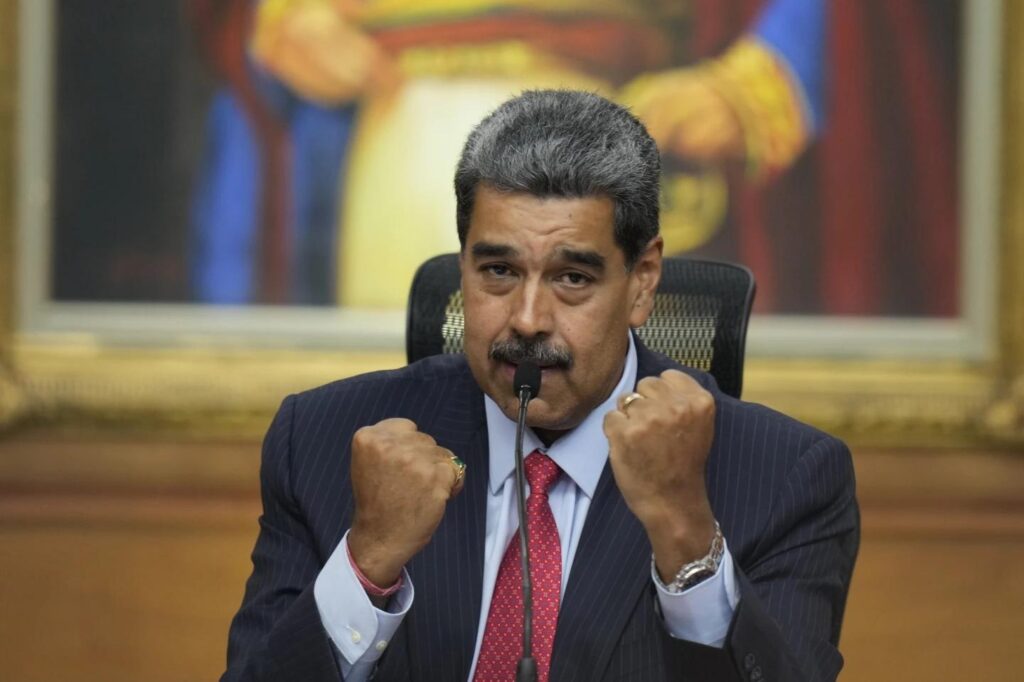
The immediate political impact is already visible. Regional organizations such as CELAC and ALBA have seen renewed calls for unity against what some leaders describe as “neo-imperial behavior.” Countries that have historically maintained neutral or pragmatic relations with the U.S. now face pressure from domestic audiences to take a clearer stance. This has intensified ideological polarization between conservative, pro-U.S. governments and leftist administrations that view the arrest as an attack on regional autonomy.
Within Venezuela, the arrest could either destabilize or consolidate political power. Supporters of the government have rallied around nationalist sentiments, framing the incident as an assault on the country’s dignity. This may strengthen hardline factions and reduce the space for internal reform. Conversely, opposition groups believe the arrest opens a rare opportunity for democratic transition, arguing that international pressure has finally broken the status quo.
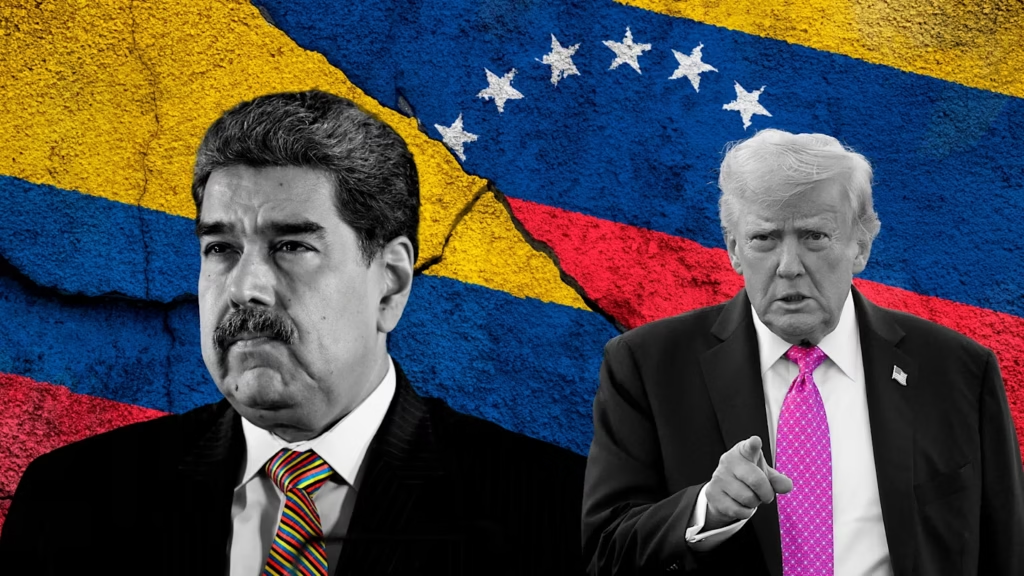
Economically, the region could also feel consequences. Venezuela plays a role though diminished in regional energy and trade networks. Heightened instability could disrupt oil diplomacy, bilateral agreements, and cross-border commerce. Countries already facing inflation and economic slowdown may hesitate to align openly with Washington, fearing domestic backlash and regional trade disruptions.
Another long-term effect could be the reorientation of alliances. As trust in U.S. intentions erodes among certain governments, countries may deepen ties with alternative global powers such as China and Russia. This could accelerate a multipolar shift in Latin America, reducing U.S. influence in what it has traditionally considered its strategic backyard.
Ultimately, the arrest of Venezuela’s president is likely to reshape Latin American politics by reinforcing ideological divisions, increasing regional nationalism, and redefining diplomatic alignments. Whether this leads to greater unity or deeper fragmentation will depend on how regional leaders respond in the months ahead.
Related Articles
Why the U.S. Claims Moral High Ground After the Arrest of Venezuela’s President
Is the United States Acting as a Global Enforcer or Defender of Democracy?
How the Arrest of Venezuela’s President Could Reshape Latin American Politics