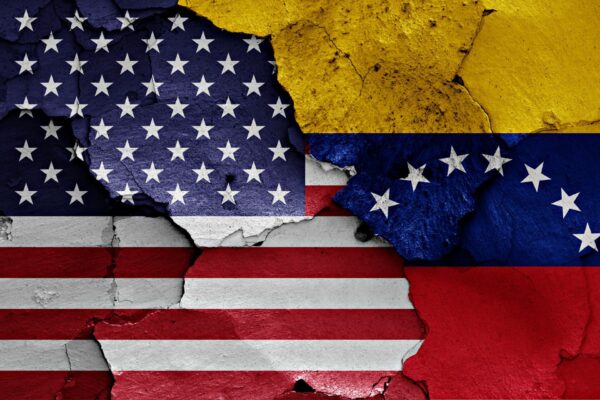
For the United States, the arrest of Venezuela’s president has been framed not merely as a legal action, but as a matter of national and regional security. U.S. officials have long accused Venezuela’s leadership of engaging in activities that threaten stability across the Western Hemisphere.
According to Washington, Venezuela has become a hub for transnational crime, including drug trafficking networks that funnel narcotics into North America. U.S. agencies claim that elements within the Venezuelan government have enabled or protected these operations, posing a direct threat to U.S. public safety.
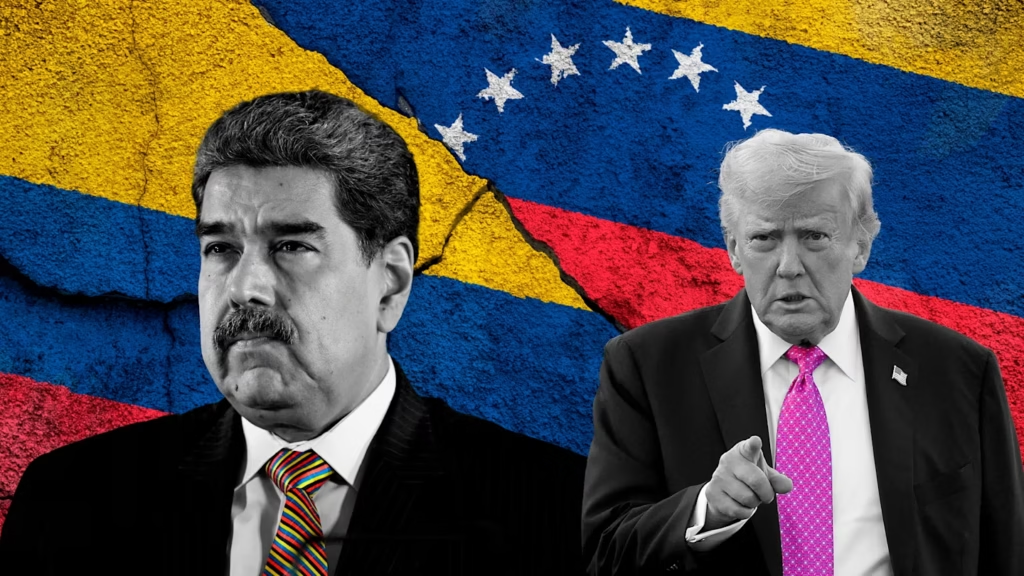
Beyond crime, the U.S. views Venezuela as a geopolitical risk. Close ties between Caracas and rival global powers have raised alarms in Washington. Military cooperation, intelligence sharing, and economic partnerships with countries hostile to U.S. interests are seen as strategic challenges that must be addressed.
Human rights concerns also play a role. The U.S. has repeatedly accused Venezuela’s leadership of suppressing dissent, manipulating elections, and violating civil liberties. From this perspective, the arrest is framed as a stand for democratic values and human rights, not an act of aggression.
Critics argue that these justifications are selective and politically motivated. They point out that the U.S. maintains relations with other governments accused of similar abuses, raising questions about consistency. This fuels accusations that security concerns are used to justify broader geopolitical objectives.
Read Suggested News: Why Did Israel & the USA Launch a Joint Attack on Iran?
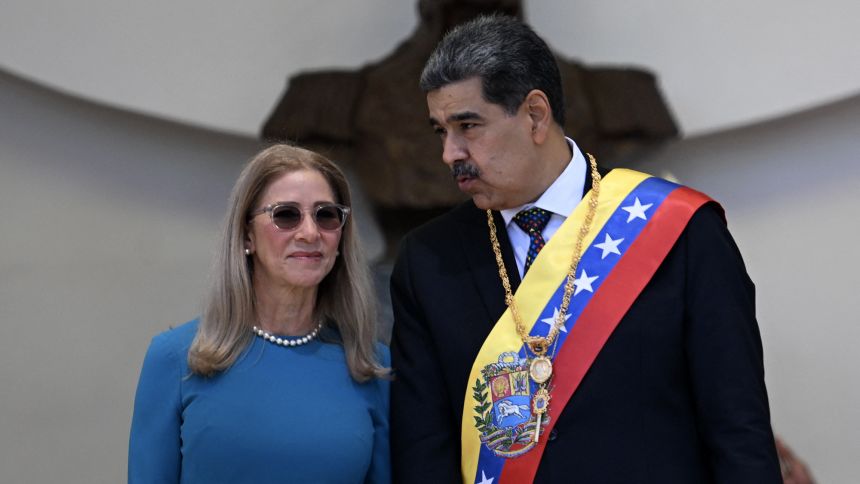
Regardless of perspective, it is clear that the U.S. views Venezuela through a security lens rather than a purely diplomatic one. This framing helps explain why Washington believes extraordinary measures are justified and why the arrest has become such a defining moment in U.S. Venezuela relations.
Read Related Articles
How the Arrest of Venezuela’s President Could Reshape Latin American Politics
Why the U.S. Claims Moral High Ground After the Arrest of Venezuela’s President