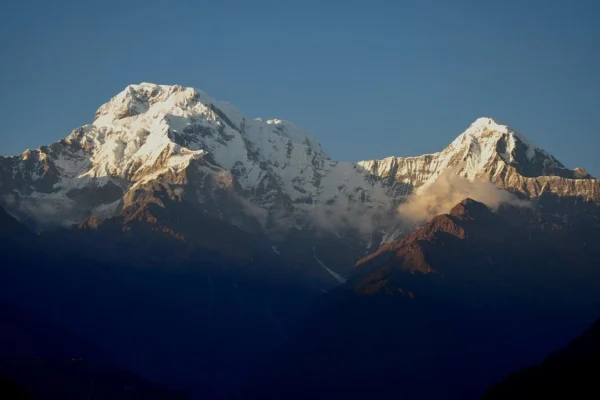
Nepal’s National Assembly unanimously passed the Tourism Bill, with the proposal presented by Minister for Culture, Tourism and Civil Aviation Anil Kumar Sinha. The legislation, known as the Integrated Tourism Bill, is set to replace the 1978 Tourism Act, a law that has governed Nepal’s mountaineering sector for nearly five decades.
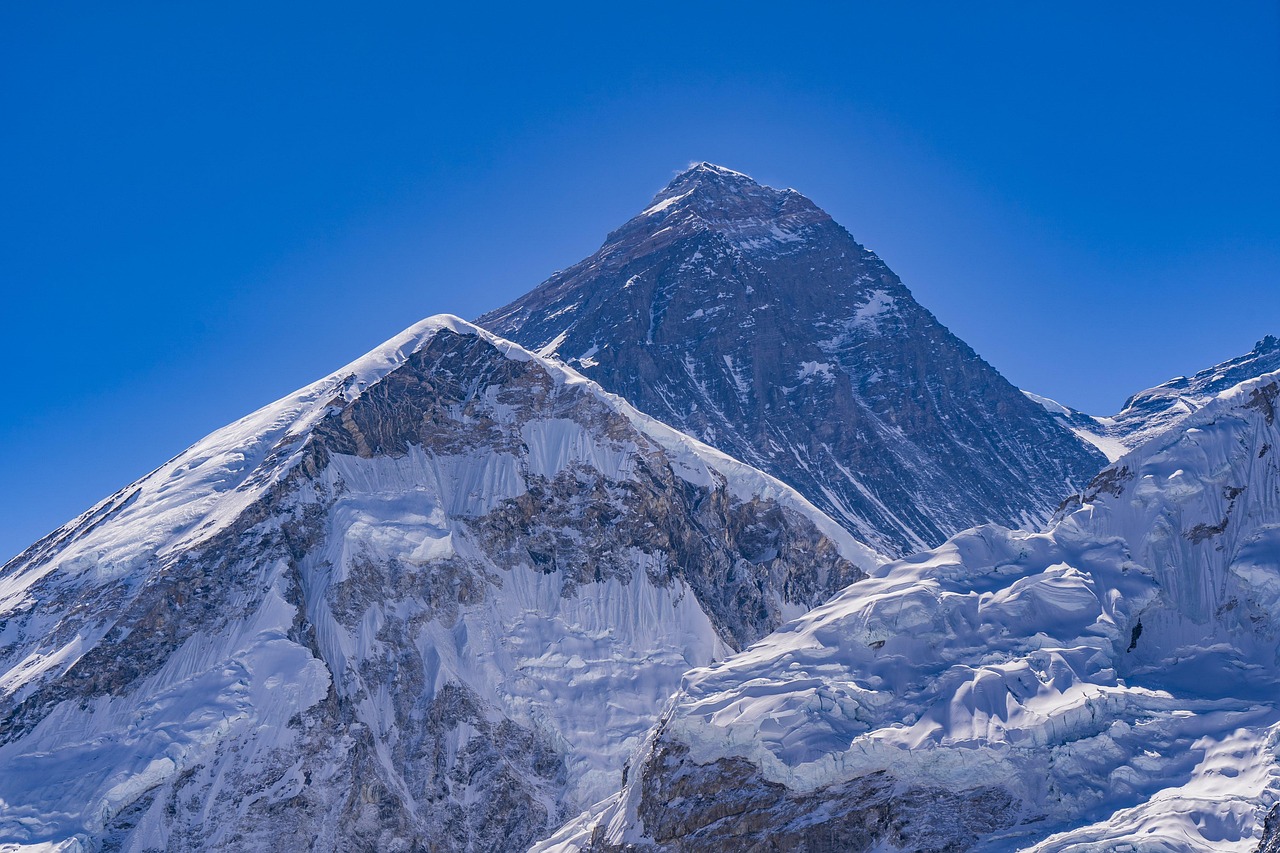
The Integrated Tourism Bill introduces stricter rules for mountaineering, tighter safety and insurance provisions, and a permanent environment fund aimed at cleaning up the country’s high mountains, including Mount Everest. The most sweeping change: a permit to climb Mount Everest will now only be issued after an applicant provides proof of having previously summited at least one mountain higher than 7,000 metres in Nepal.
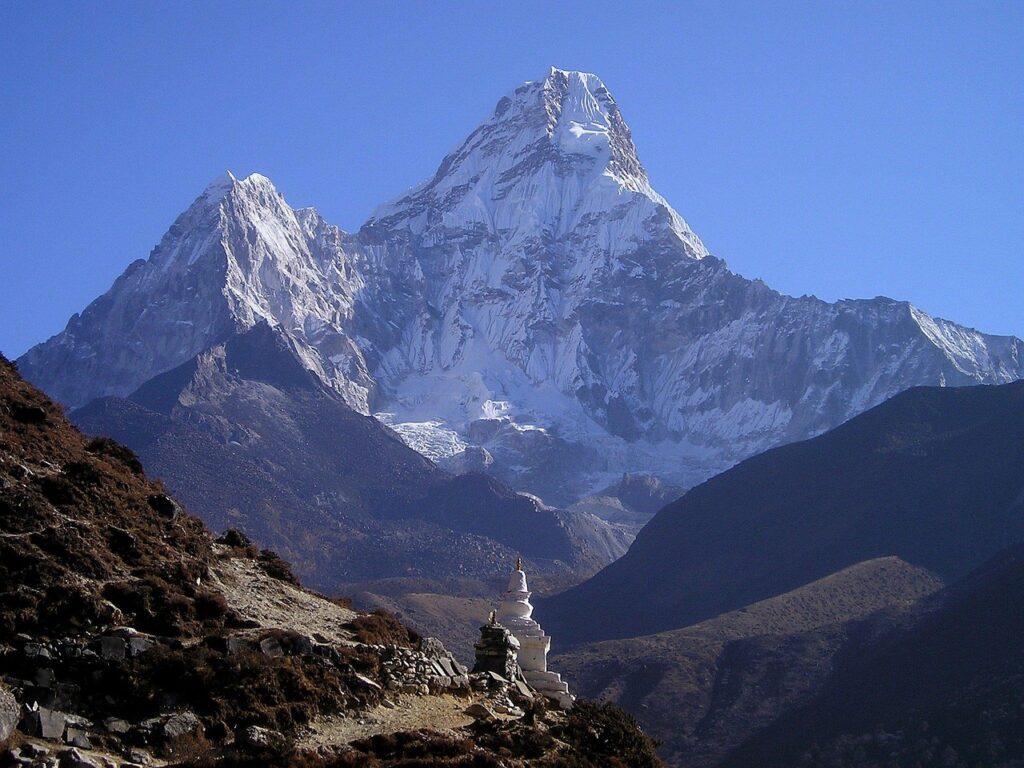
The bill also converts the existing $4,000 refundable waste deposit into a non-refundable fee, and establishes a new Environment Protection and Mountaineers’ Welfare Fund. Mountaineering rules have been incorporated into a tourism bill for the first time to strengthen enforcement, as earlier provisions were issued temporarily and resulted in weak implementation.
Nepal has long been accused of issuing too many climbing permits, including to inexperienced climbers, creating bottlenecks, increasing the danger of fatal accidents, and contributing to the mountain’s worsening pollution problem. The crisis reached a boiling point when images of deadly queues in Everest’s “death zone” circled the globe.
In the spring season of 2023 alone, 478 permits were issued; at least 17 climbers lost their lives and 5 others went missing. Nepal’s top court had also ordered the government to seek sustainable solutions to keep the country’s mountains clean and prevent deaths.
The new rules are set to fundamentally reshape who can attempt the world’s highest peak. Some feel the 7,000-metre prerequisite will cause a significant decrease in business, hurting profits for all guiding companies and potentially denting the permit revenue Nepal depends on. From September 2025, the Everest permit fee was already raised by 36%, bringing the spring season cost to $15,000 per climber and the overall cost of a full expedition now ranges from $52,000 to over $120,000 for premium packages.
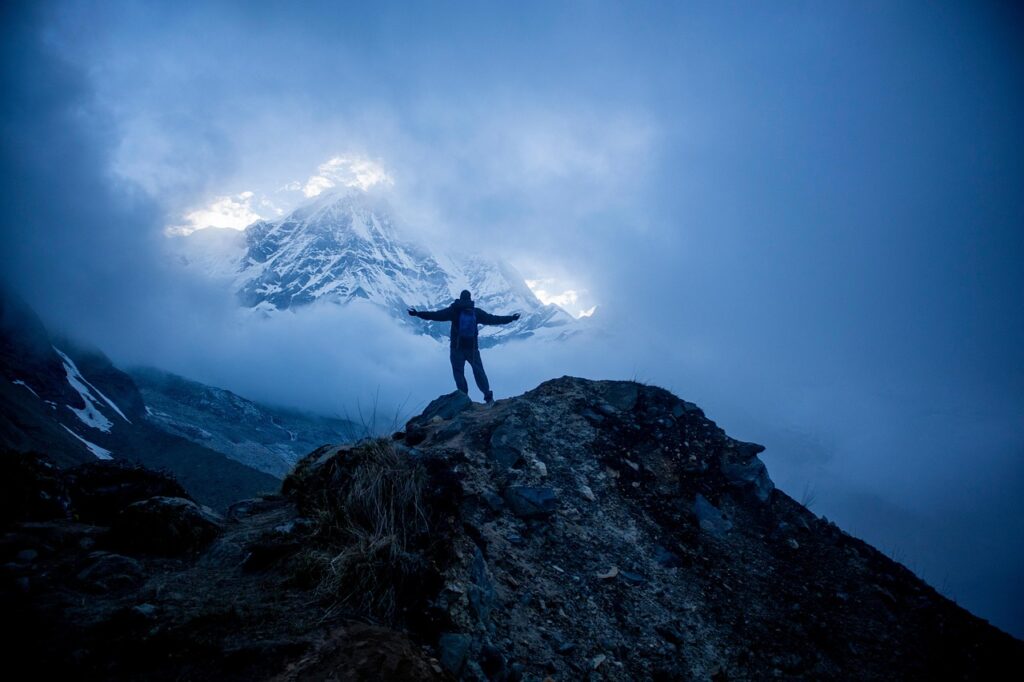
On the environmental front, the non-refundable waste fee creates a permanent conservation fund, while dead body recovery insurance becomes mandatory for all expeditions. Officials at the Ministry of Tourism say changes are likely before the final law is enacted, and there is usually at least one year after enactment before the law is implemented to allow the market to adjust.
Operators and Sherpas have broadly welcomed the health and safety checks, citing reduced risks for support teams. The international mountaineering community, however, remains divided. Supporters argue the reforms are long overdue, while critics warn the 7,000-metre requirement could effectively price out and bar climbers from countries with no qualifying peaks inside Nepal.
Minister Sinha told lawmakers the bill aims to diversify and promote sustainable tourism across Nepal framing the legislation not as a restriction but as a modernisation of a sector critical to the national economy.
Read Related News
Why Do Car Showrooms Assume Everyone Has 8 to 15 Lakhs in Cash?
Zero Down Payment” Bike Promotion Turns Out to Be Misleading, Customers Speak Out
Why Nepal Should Be on Your Bucket List for Tours and Treks in 2026
China’s BYD Becomes World’s Top Electric Vehicle Seller, Overtaking Tesla