
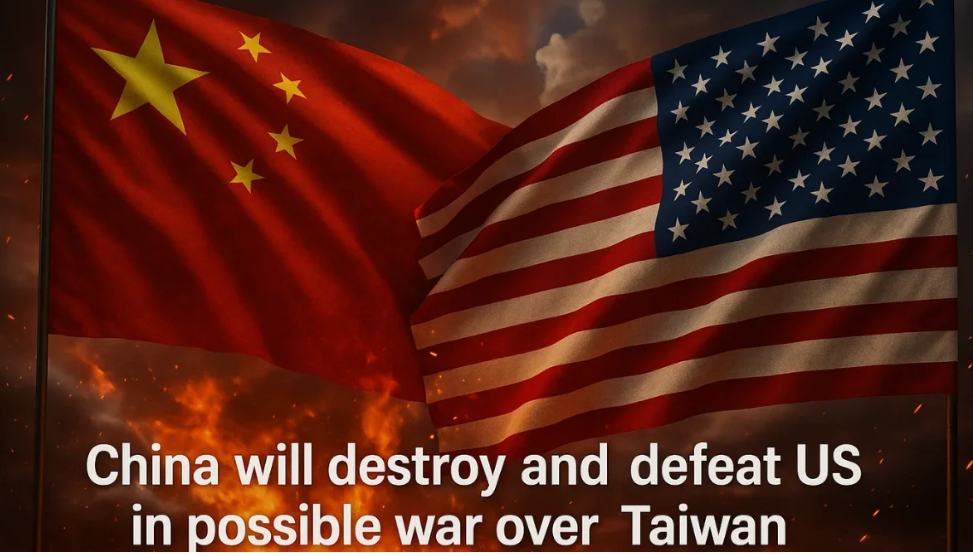
A highly classified Pentagon assessment has concluded that China could overwhelm and defeat the United States military in a conflict over Taiwan, posing a stark warning about the shifting balance of power in the Indo-Pacific and raising urgent questions about U.S. war-fighting readiness and strategy.
Table of Contents
The document, referred to as the “Overmatch Brief,” was prepared by the U.S. Department of Defense’s Office of Net Assessment and has been circulated within senior security circles. According to reporting based on this classified analysis, Beijing’s military modernization and large-scale production of advanced weapons have created a scenario in which American forces could suffer devastating losses if combat broke out over Taiwan.
Pentagon Finds U.S. Vulnerable to China’s Growing Arsenal
The Pentagon report highlights China’s ability to destroy U.S. fighter jets, naval vessels and satellites through a combination of hypersonic missiles, anti-ship weapons and cyber capabilities. In war-game simulations detailed in the brief, Chinese forces repeatedly succeed in neutralizing key elements of American military power early in a conflict, including high-value platforms such as the USS Gerald R. Ford aircraft carrier.
China’s arsenal which includes an estimated 600 hypersonic weapons capable of travelling at multiple times the speed of sound grants Beijing a strategic advantage by saturating defenses and overwhelming U.S. systems before they can be effectively deployed. The report warns that America’s reliance on expensive, complex weapons systems with long production times leaves it at a critical disadvantage compared with China’s capacity for rapid, high-volume manufacturing.
One unnamed senior national security official who reviewed the document reportedly “turned pale” upon realizing that Chinese forces had “redundancy after redundancy” for every major U.S. tactical advantage, according to sources familiar with the New York Times coverage of the brief.
Wars Simulations Show Severe Losses for U.S. Forces
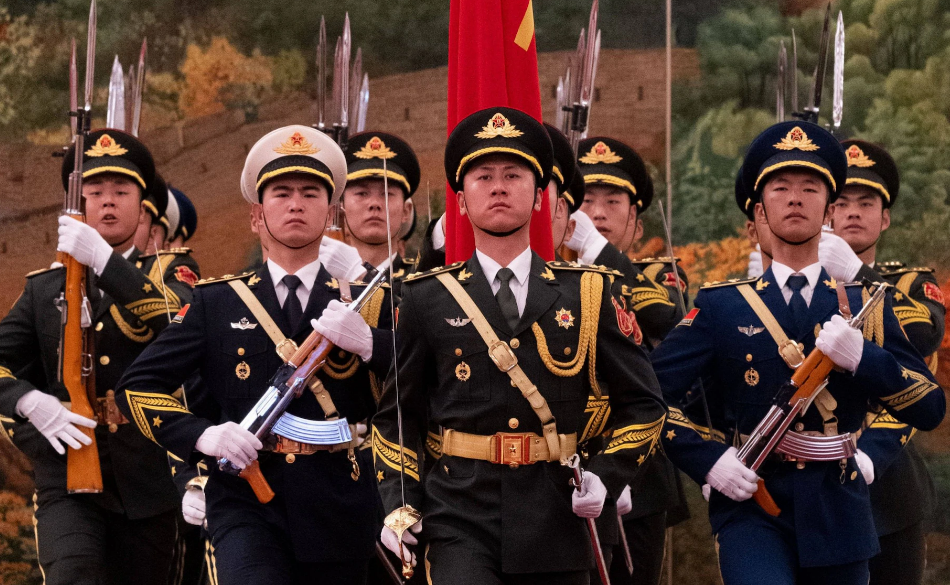
Summaries of internal Pentagon war games included in the assessment describe scenarios in which U.S. aircraft carriers, destroyers, and tactical aircraft are rapidly destroyed by missile barrages and submarine attacks. These results underscore how quickly and decisively Chinese forces could potentially dominate engagements in the Western Pacific.
In the simulations, the loss of several carriers, dozens of aircraft and multiple ships occurs within hours of hostilities commencing. Analysts cited in these briefings contend that the United States must urgently adapt its defence posture if it hopes to maintain a credible deterrent against conflict over Taiwan’s future.
Cyber Threats and Infrastructure Vulnerabilities
The classified assessment also highlights the growing role of cyber warfare in modern conflict. China-linked hacking groups notably one identified as Volt Typhoon are said to have infiltrated critical U.S. infrastructure, including power grids, communications networks, and logistics systems tied to American military bases. Embedded malware could, according to the report, undermine U.S. operational readiness and hamper the ability to deploy forces quickly in a crisis.
This potential cyber disruption, combined with conventional military threats, intensifies concerns about the U.S. capacity to sustain prolonged military operations in the region. Analysts note that logistical end-to-end supply chains are now a strategic vulnerability alongside conventional combat capabilities.
Suggested Read:
Australia’s World-First Under-16 Social Media Ban Begins; Teens Flaunt Workarounds
Strategic Context: Taiwan as a Flashpoint
China regards Taiwan as a breakaway province that must eventually be reunified with the mainland by force if necessary. Beijing has accelerated its military modernization and deployed assets across the South China Sea and Western Pacific, signalling readiness for a potential action against the island by the mid-2020s. American policy, long based on strategic ambiguity regarding a military response to an invasion, has come under scrutiny as a result of these developments.
Taiwan’s government insists that only the island’s 23 million residents should determine their own future, rejecting Beijing’s claims of sovereignty. Tensions have heightened as the United States and regional allies, including Japan and Australia, reassess their defence postures in response to China’s growing military reach.
Policy Implications and Calls for Military Reform
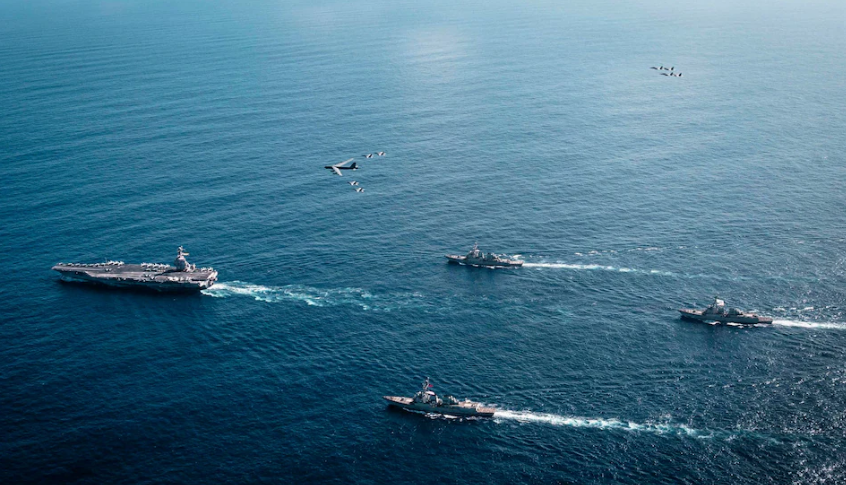
The Pentagon’s internal briefing has fueled debates among U.S. defence planners, lawmakers, and strategic experts about how best to restore credible deterrence in Asia. Critics argue that continued investment in traditional, high-cost platforms without corresponding acquisition of scalable, resilient technologies could leave American forces unprepared for future conflicts.
Advocates for reform suggest shifting resources toward drones, distributed defence systems, cyber capabilities, and advanced missile defences to match the multifaceted nature of modern war. The report’s stark conclusions have also reignited congressional efforts to retool U.S. industrial capacity for rapid wartime production.
Conclusion: A Strategic Turning Point
The implications of this report extend beyond military tactics to encompass broader geopolitical strategies. It necessitates a reevaluation of alliances and partnerships in the Asia-Pacific region, as nations may seek to bolster their own defense capabilities in response to a perceived threat. Moreover, the urgency to innovate in defense technology reflects an understanding that traditional military paradigms may no longer suffice in countering sophisticated adversaries. As the U.S. navigates this precarious landscape, the need for a concerted and adaptive approach to defense readiness will be critical in safeguarding national interests and maintaining regional stability.
Pingback: United States Seizes Venezuelan Oil Tanker in Major Escalation of Tensions With Caracas - currentglobalnews.com
Pingback: U.S. Intensifies Venezuela Pressure After Oil Tanker Seizure