
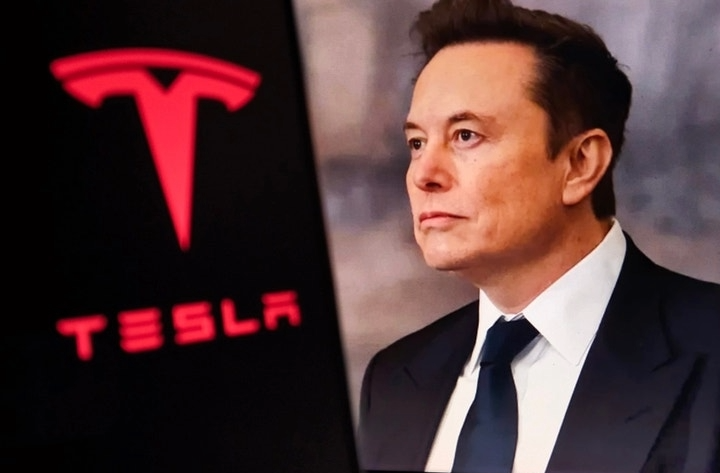
Tesla’s board of directors collectively made more than $3 billion from equity compensation over the past two decades, a level of wealth that far surpasses board pay at most major U.S. technology companies, according to a Reuters analysis based on compensation data and stock performance. The report highlights questions about executive and board pay at a company that has long emphasised shareholder returns and performance incentives.
Table of Contents
Massive Gains From Early Stock Awards
Between 2004 and 2024, Tesla’s board members accumulated more than $3 billion in realised gains and value from stock awards and options, largely due to Tesla’s meteoric rise in market capitalisation during that period. Early stock awards, granted when Tesla was much smaller, have multiplied dramatically in value as the company’s share price surged.
Among the directors benefiting most were Robyn Denholm, chair of the board, who reportedly realised nearly $600 million from stock awards, and Kimbal Musk and Ira Ehrenpreis, each of whom also saw hundreds of millions in gains. These figures vastly exceed what non-executive directors at other major U.S. tech companies typically earn, where board compensation packages generally consist of smaller equity grants and annual retainers.
Despite the eye-popping totals, Tesla suspended director compensation in 2021 after a shareholder lawsuit challenged the size and structure of the awards. Still, for years prior to that decision, Tesla’s board members received far more in equity compensation than directors at peers such as Meta Platforms or Amazon, where equity awards tend to be more modest and subject to tighter governance standards.
Compensation Structure Under Scrutiny
Critics say Tesla’s approach raises governance questions because stock options and equity awards can carry limited downside risk for recipients and may create incentives misaligned with long-term shareholder interests. Unlike cash directors’ fees or restricted stock units that vest gradually, option grants can produce enormous profits without proportionate accountability if the stock simply rises over time.
Governance experts argue that such large equity windfalls especially when they dwarf standard practices at comparable companies can undermine board independence and blur the lines between oversight responsibilities and personal financial gain. Tesla has maintained that its compensation structures are performance-based, designed to align director interests with long-term shareholder value, and reflect the substantial time commitments and responsibilities of its board.
Broader Context: Shareholder Lawsuits and Compensation Debate
The debate around Tesla’s board compensation is part of a wider conversation about executive and director pay in corporate America. Elon Musk’s own compensation packages including proposals worth tens of billions tied to aggressive performance metrics have drawn heavy public and legal scrutiny in recent years. Although separate from the board pay issue, these executive pay debates contribute to broader questions about corporate governance and shareholder value at Tesla.
Tesla’s stock-based compensation developments have also intersected with court challenges and shareholder lawsuits. Past compensation awards have been partially contested in court, with some settlements requiring the return of portions of stock or cash from directors and executives. These actions reflect investor concerns about transparency and fairness in board and executive pay.
Suggested Reads:
Bondi Beach Shooting in Sydney: 15 Killed in Terrorist Attack at Hanukkah Event
Nvidia Considers Boosting H200 Chip Production as Demand Surges in China
Industry Comparison: Tesla vs. Other Tech Boards
In comparison with Tesla, most major U.S. tech companies follow different compensation norms. Boards at companies such as Microsoft, Alphabet, and Apple typically award smaller equity packages and retain cash board fees as a substantial component of pay. These norms are driven by governance best practices that emphasise balancing incentive with risk oversight and shareholder alignment.
In Tesla’s case, the board’s outsized realised equity gains are an outlier, illustrating how powerfully stock price appreciation can translate into personal wealth for early directors. Critics point to this as a case study in how equity compensation, if not carefully calibrated, can reward board members beyond what is seen as reasonable relative to peers.
Tesla’s Position and Governance Response
Tesla maintains that its compensation philosophy reflects the company’s unique growth trajectory and competitive pressures in the electric vehicle and technology sectors. The board has emphasised that compensation including equity incentives must attract and retain experienced directors capable of navigating complex strategic, technological, and regulatory challenges.
The company’s leadership, including board chair Denholm, argues that director pay reflects a performance-based culture that has delivered significant returns for shareholders over time. Tesla also points out that during periods of stock volatility, equity compensation can fluctuate greatly in value, tying actual gains to market performance rather than predetermined cash pay.
Implications for Shareholders and Corporate Governance
For investors and corporate governance watchers, Tesla’s board compensation story raises important questions about how companies should structure pay for directors particularly in high-growth sectors where stock price performance can dramatically amplify equity awards. It underscores the ongoing debate over how to balance incentive, accountability, and fairness in executive and board pay practices across the technology industry.
Tesla’s experience may prompt deeper scrutiny from shareholders and regulators alike as boards across sectors reassess compensation frameworks in light of market dynamics and governance expectations.
Pingback: Ukraine Peace Talks in Berlin Stretch Into Second Day as Diplomacy Intensifies