
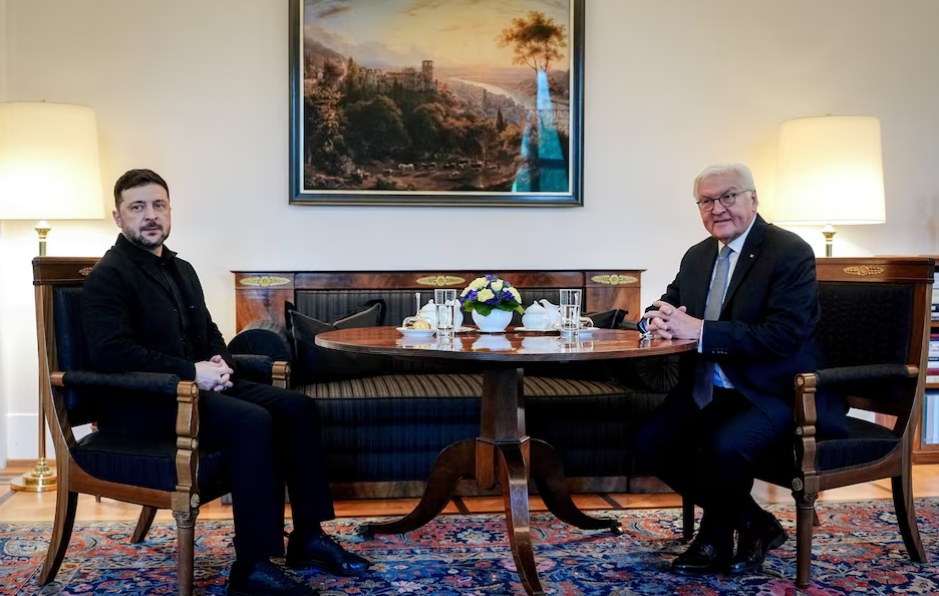
Diplomacy aimed at ending the Russia-Ukraine war continued into a second day on Monday, 15 December 2025, with Ukrainian President Volodymyr Zelenskyy, United States envoys, and European leaders meeting in Berlin in efforts to negotiate an end to Europe’s deadliest conflict since 2022. The talks mark a pivotal moment in diplomatic efforts this week, ahead of several key European summits and decisions on funding and sanctions.
Table of Contents
The discussions, now entering their second day, are part of a broader push involving the United States, European Union, and NATO partners to shape a peace framework that could halt nearly four years of warfare. Officials involved have described the negotiations as complex and challenging, with major issues such as security guarantees, territorial sovereignty, ceasefire terms and Ukraine’s long-held bid to join NATO still unresolved.
Talks Underway in Berlin
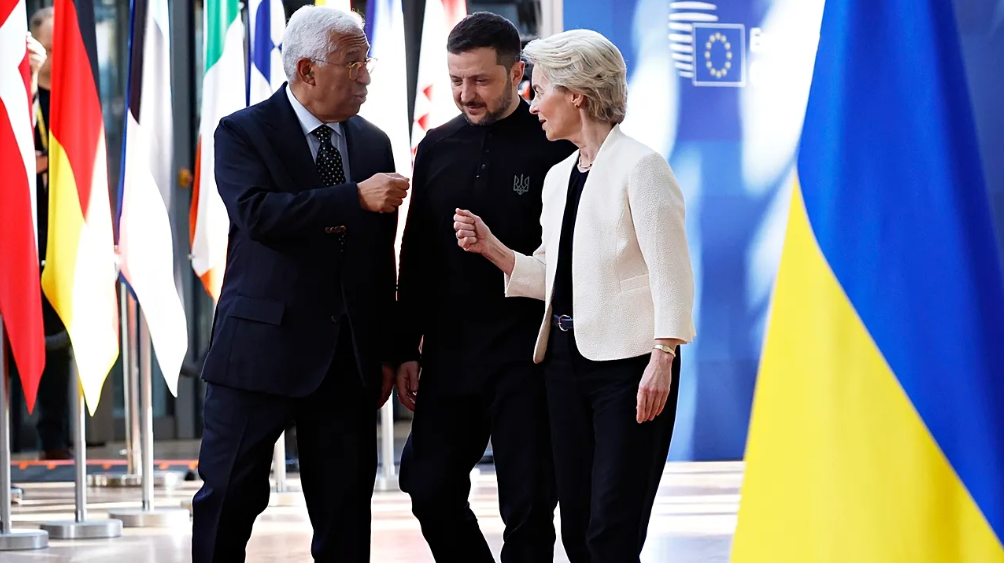
The talks in Berlin have drawn high-level participation beyond the core negotiating teams. EU Commission President Ursula von der Leyen and NATO Secretary General Mark Rutte joined discussions, underscoring the high stakes of this diplomatic effort and the strategic interest of European institutions in the outcome.
Zelenskyy has held multiple sessions with US envoys including Steve Witkoff and Jared Kushner, as well as consultations with German Chancellor Friedrich Merz and other European counterparts. The negotiations are taking place against a backdrop of continued Russian aerial and missile strikes on Ukrainian infrastructure, disappointing indicators that conflict still rages even as diplomats seek a path to peace.
Major Concession on NATO Membership
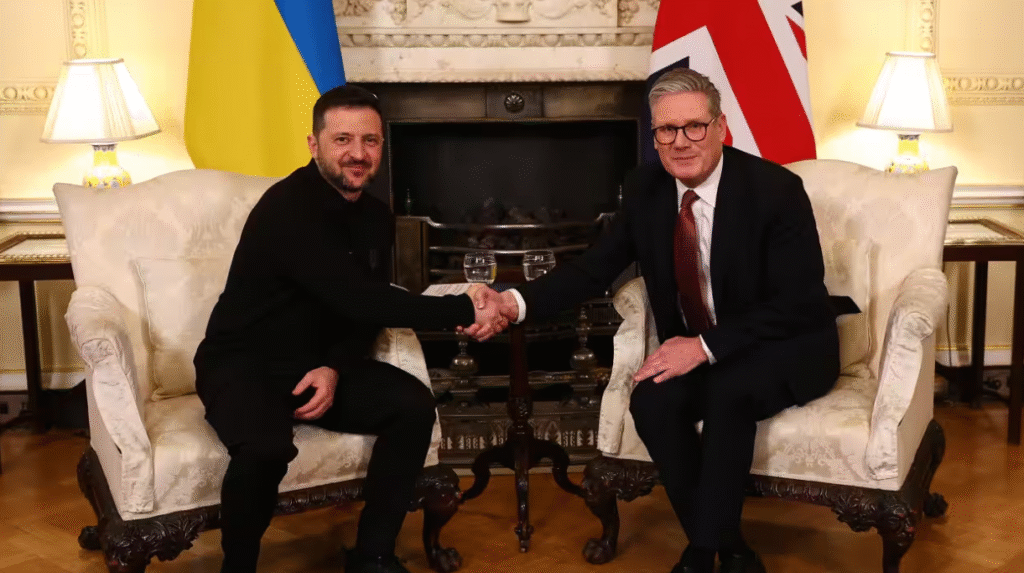
One of the most significant developments during the talks is Zelenskyy’s indication that Ukraine may be willing to abandon its aspiration to join NATO in exchange for strong and legally binding security guarantees from the United States, Europe and other allies. This represents a major shift in Ukraine’s negotiating posture, given that NATO membership has been a central strategic goal enshrined in the country’s constitution.
Experts note that this concession aligns with one of Moscow’s core demands that Ukraine remain neutral and outside the Western military alliance but Kyiv insists it will not compromise on territorial integrity or cede land to Russia. Ukrainian officials have characterised the NATO concession as a pragmatic effort to secure long-term peace and robust guarantees without formal alliance entry.
Security Guarantees and Western Support
Ukrainian leaders are seeking “Article 5-like” security assurances similar to those that bind NATO members, but without formal membership itself. Washington has signalled willingness to consider such guarantees through legislation that could be presented to the US Congress, according to US officials familiar with the discussions.
Zelenskyy has emphasised that these assurances must be legally binding to deter future aggression, a core concern for Kyiv after years of intense conflict. European and American negotiators remain engaged in drafting language and mechanisms that could satisfy Kyiv while addressing the political and legal constraints of participating nations.
Obstacles Still Divide Negotiators
Despite these tentative advances, major hurdles remain. Issues such as the status of Russian-occupied territories, the mechanics of a lasting ceasefire, and Russia’s demands for neutrality continue to divide negotiators. Kyiv maintains that any peace deal must respect Ukraine’s sovereignty and territorial integrity, while Moscow is reported to be sceptical of some Western proposals and resistant to concessions that would limit its strategic foothold.
Russia’s official stance on the Berlin talks has been muted, with Kremlin officials viewing some Western peace proposals with scepticism, according to international analysts. Meanwhile, ongoing Russian attacks on Ukrainian infrastructure illustrate that military operations continue even as diplomats negotiate.
Context: Diplomatic Push and European Stakes
The Berlin talks coincide with a critical week in European diplomacy. An EU summit later this week is expected to address funding for Ukraine, potentially using frozen Russian assets to support Kyiv’s wartime economy. European leaders are also considering new sanctions aimed at curbing Russia’s oil exports and shadow shipping networks.
Finnish President Alexander Stubb described the moment as possibly the closest Ukraine has been to a peace agreement in years, citing ongoing work on a 20-point peace plan that covers security guarantees, territorial issues and reconstruction commitments.
Suggested Reads:
Tesla Board Earned Over $3 Billion in Stock Awards, Far Above Tech Peers
Bondi Beach Shooting in Sydney: 15 Killed in Terrorist Attack at Hanukkah Event
2026 Marketing Budget: Where Smart Marketers Are Investing
European and International Actors
European leaders are actively involved in the diplomatic process. Von der Leyen and Rutte’s presence reflects EU and NATO interests in shaping the future security landscape of the continent. German Chancellor Merz has played a key role in hosting and facilitating discussions, while other European capitals are contributing policy expertise and political support.
The United States continues to play a central role, with US special envoys leading negotiations and seeking to bridge differences between Ukraine’s demands and broader Western strategic interests. The Trump administration has expressed optimism about progress, though details remain closely held by negotiators.
Outlook: Negotiations Continue
As peace talks stretch into a second day and beyond, diplomats and analysts acknowledge that breakthroughs remain challenging. Progress on security guarantees and NATO-related compromises suggests movement, but the path toward a comprehensive peace agreement remains filled with obstacles.
The ongoing negotiations in Berlin running parallel to economic, military and geopolitical pressures underscore the complexity of ending a conflict that has reshaped European security dynamics. With both diplomatic and battlefield developments still unfolding, the outcome of these talks could have lasting implications for Ukraine, Russia, and the broader international community.